
If you’ve ever looked at a cannabis label and thought, “Why does this say THCA, and where’s the THC?”, you’re not the only one. A lot of people see both terms and assume they mean the same thing. They’re related, but they’re not identical, and knowing the difference can seriously level up how you shop.
At BestBüds, we’re big on education without the overwhelm. So we’re breaking down THC vs. THCA in plain language and why it matters when you shop.
What Is THC?
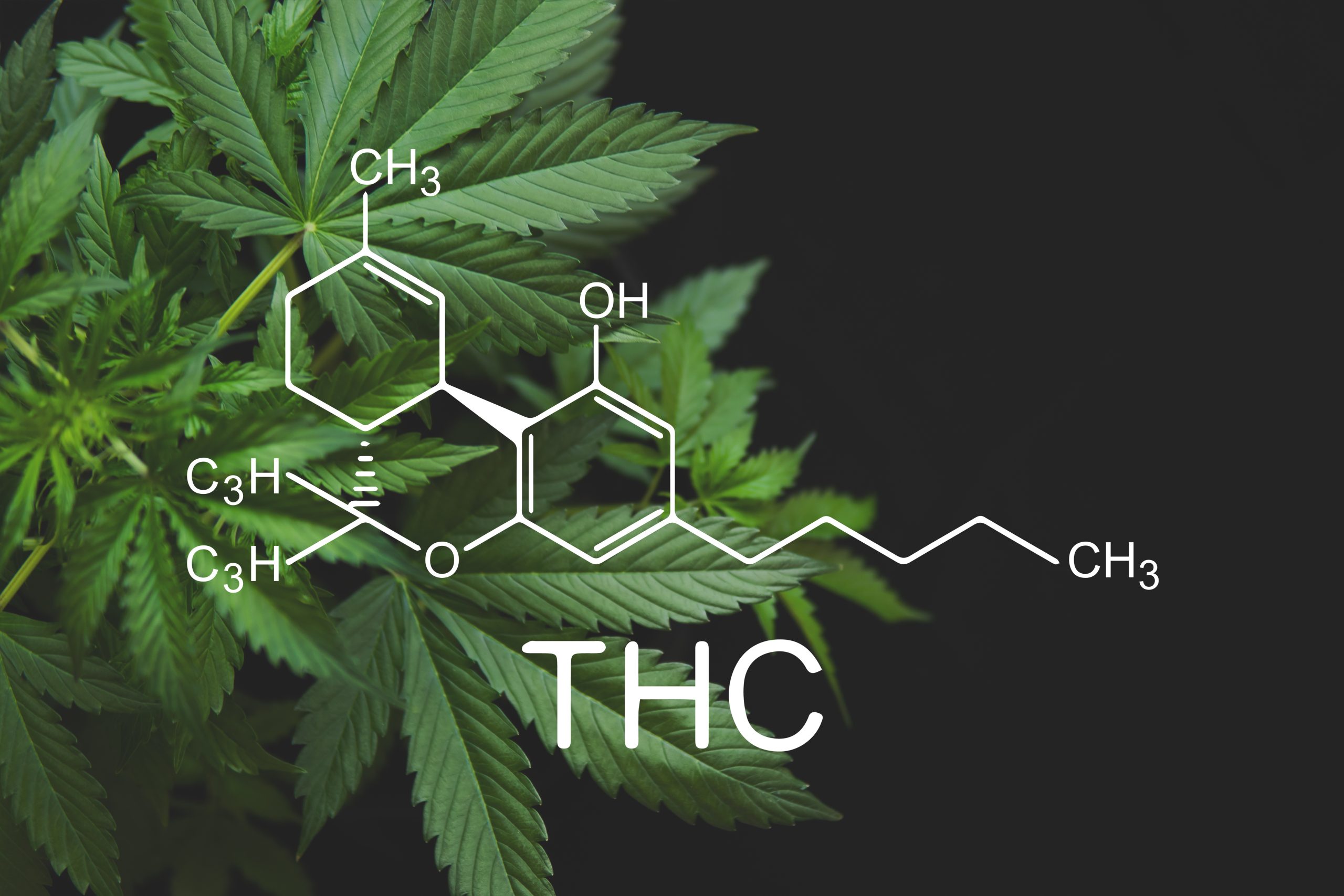
THC, short for tetrahydrocannabinol, is the compound most people think of when they think about cannabis. It’s the part of the plant that’s responsible for the classic “high” that can shift your mood, change how things feel, and help you relax.
THC shows up in a lot of the cannabis products you already know and love, including:
- Smoked or vaped flower
- Edibles like gummies, chocolates, and baked goods
- Concentrates such as wax, live resin, rosin, THC shatter and oil
When THC is activated and consumed, it typically affects things like:
- Mood (uplifted, calm, giggly, relaxed)
- Perception (sounds, colors, and sensations can feel more intense)
- Appetite (hello, munchies)
- Relaxation (both mental and physical)
In short, THC is what delivers those noticeable effects people often seek out.
What Is THCA?
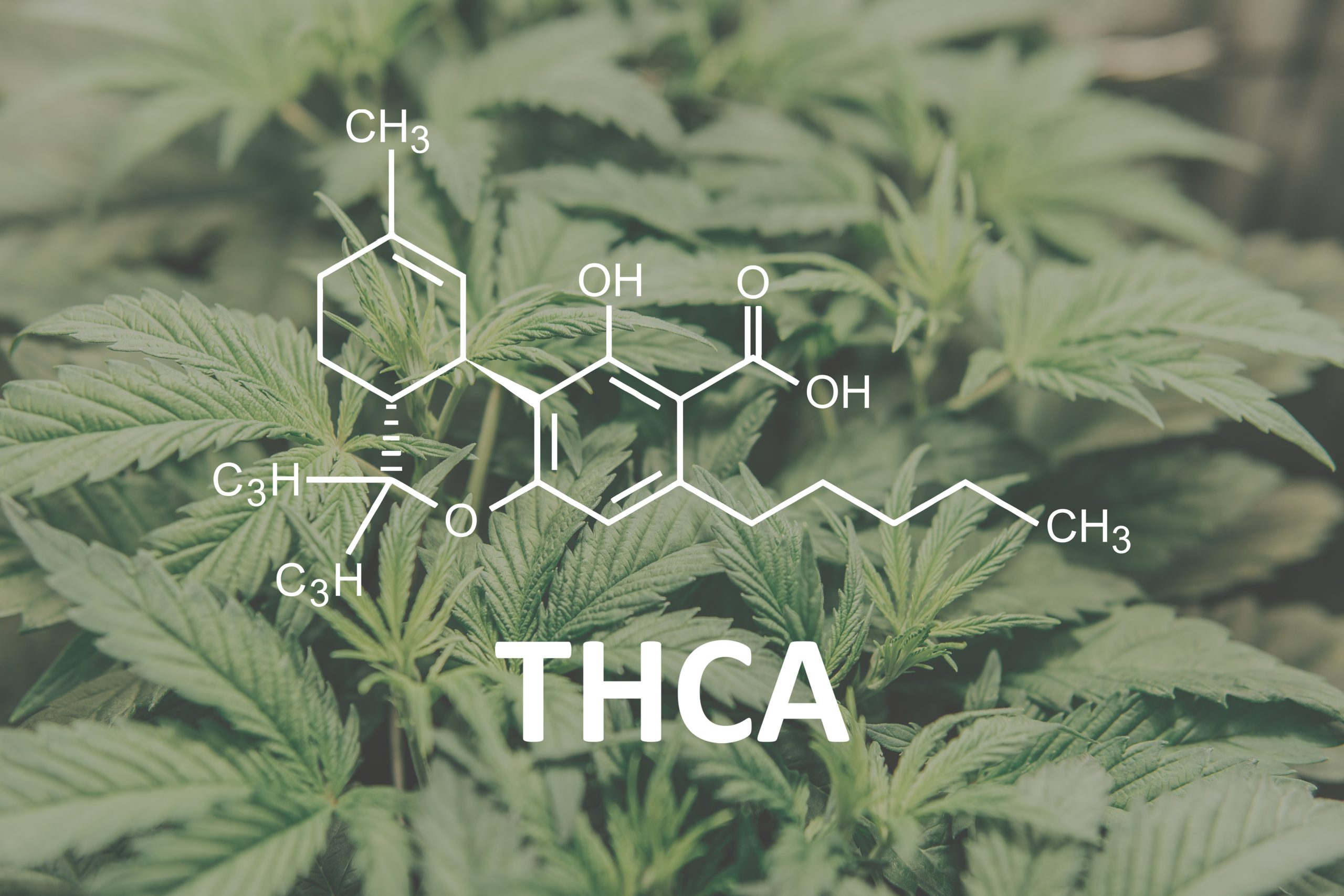
THCA, short for tetrahydrocannabinolic acid, is the raw form of THC that naturally exists in the cannabis plant. It’s THC’s starting point before heat gets involved.
Here’s the key thing to know: THCA is non-psychoactive. On its own, it does not get you high. That’s why you’ll often see flower testing high in THCA but low in THC on the label.
THCA is found in:
- Raw cannabis flower
- Fresh or unheated products
Until heat is applied (like smoking, vaping, or cooking), THCA stays raw and inactive in terms of psychoactive effects.
So if you’re ever wondering why a flower looks potent on paper but hasn’t been heated yet, THCA is the reason.
How THCA Becomes THC
Here’s where things click. THCA turns into THC when heat is applied, a process called decarboxylation. Sounds technical, but it’s actually pretty simple: heat activates the compound and unlocks the effects people usually associate with cannabis.
This conversion happens during everyday use, like:
- Smoking flower
- Vaping flower or concentrates, is vaping right for you?
- Cooking or baking cannabis into edibles
Once heat enters the picture, THCA loses a small chemical group and becomes THC, which is what produces psychoactive effects.
Why does this matter? Because it explains a lot about product choice and how you’ll feel. Raw flower may test high in THCA, but it won’t get you high until it’s heated. Edibles hit differently because the THC has already been activated during cooking. Concentrates deliver strong effects fast because they’re designed to be heated efficiently.
Bottom line: how you consume cannabis directly affects how it works. Knowing how THCA becomes THC helps you choose products with intention instead of guessing based on the label alone.
Why Labels Show Both THCA & THC
If you’ve ever looked at a cannabis label and wondered why there are two numbers listed for THC and THCA, you’re not missing anything. It’s just how cannabis is tested and labeled.
During lab testing, cannabis is analyzed in its raw form, before it’s been smoked, vaped, or cooked. That means labs measure how much THCA is present, along with any THC that’s already activated. Because most flower hasn’t been heated yet, it usually shows high THCA and very little THC on the label.
You might also see something called “Total THC.” This number estimates how much THC you’ll get after the THCA is heated and converted. In simple terms, Total THC gives you a better idea of how strong the product will feel once you actually use it.
The most important thing to know is that a flower that lists low THC but high THCA can still hit pretty hard once it’s smoked or vaped.
THC vs. THCA: Which One Is Right For You?
Choosing between THC and THCA really comes down to what kind of experience you’re looking for and how you plan to use it.
THC is the go-to for people who want noticeable, psychoactive effects. If you’re looking to feel lifted, relaxed, giggly, or deeply chilled, THC-forward products like smoked flower, edibles, or concentrates are usually the move.
THCA, on the other hand, has gained popularity with more wellness-focused consumers who want the plant without the high. Since THCA doesn’t cause psychoactive effects unless it’s heated, some people seek it out in raw or unheated forms as part of a non-intoxicating routine.
Here’s the key thing to remember: the consumption method matters. The same flower can deliver totally different effects depending on whether it’s smoked, vaped, or left raw. Heat is what flips the switch.
Key Takeaways:
1. Does THCA get you high?
No. THCA is non-psychoactive on its own. It only becomes psychoactive after heat is applied, which converts it into THC.
2. Why does flower say high THCA but low THC?
Cannabis flower is tested in its raw state. Before heating, most of the cannabinoid content is THCA. Once you smoke or vape it, that THCA converts into THC.
3. What is “Total THC” on a label?
Total THC is an estimate of how much THC you’ll have after THCA is heated and activated. It gives a more realistic idea of potency than THC alone.
4. Is THCA legal?
THCA legality depends on state laws and how the product is classified. In licensed dispensaries like BestBüds, products are regulated, tested, and compliant with New Jersey cannabis laws.
5. Do edibles contain THCA or THC?
Edibles contain THC. The cannabis used to make edibles is heated during production, which converts THCA into THC before you consume it.
6. Can two products with similar Total THC feel different?
Absolutely. Terpenes, other cannabinoids, and your own tolerance all play a role. That’s why strain and product choice matter just as much as the numbers.
7. Should I shop based on THC percentage alone?
Not really. THC is just one piece of the puzzle. Looking at THCA, terpene profiles, and how you plan to consume the product will give you a better overall experience.
Knowledge Is Power at BestBüds
Understanding the difference between THC and THCA takes a lot of the guesswork out of shopping for cannabis. Once you know what you’re looking at on a label and how heat, consumption method, and Total THC play into the experience, you can choose products that actually match your goals.
At BestBüds, we’re here to make cannabis feel approachable, not confusing. If you ever have questions about labels, potency, or what might work best for you, our budtenders are always happy to help.
Stop by BestBüds in Woodbury, NJ and shop with confidence. Explore our menu, ask questions, and find products that fit your vibe.
The contents of this blog are intended for informational purposes only. Always seek the advice of a physician or other qualified healthcare provider with any questions you may have regarding a medical condition.